
Event Recap: When Communities Need Us Most: Empowering AmeriCorps and Its Partners to Lead in Times of Crisis
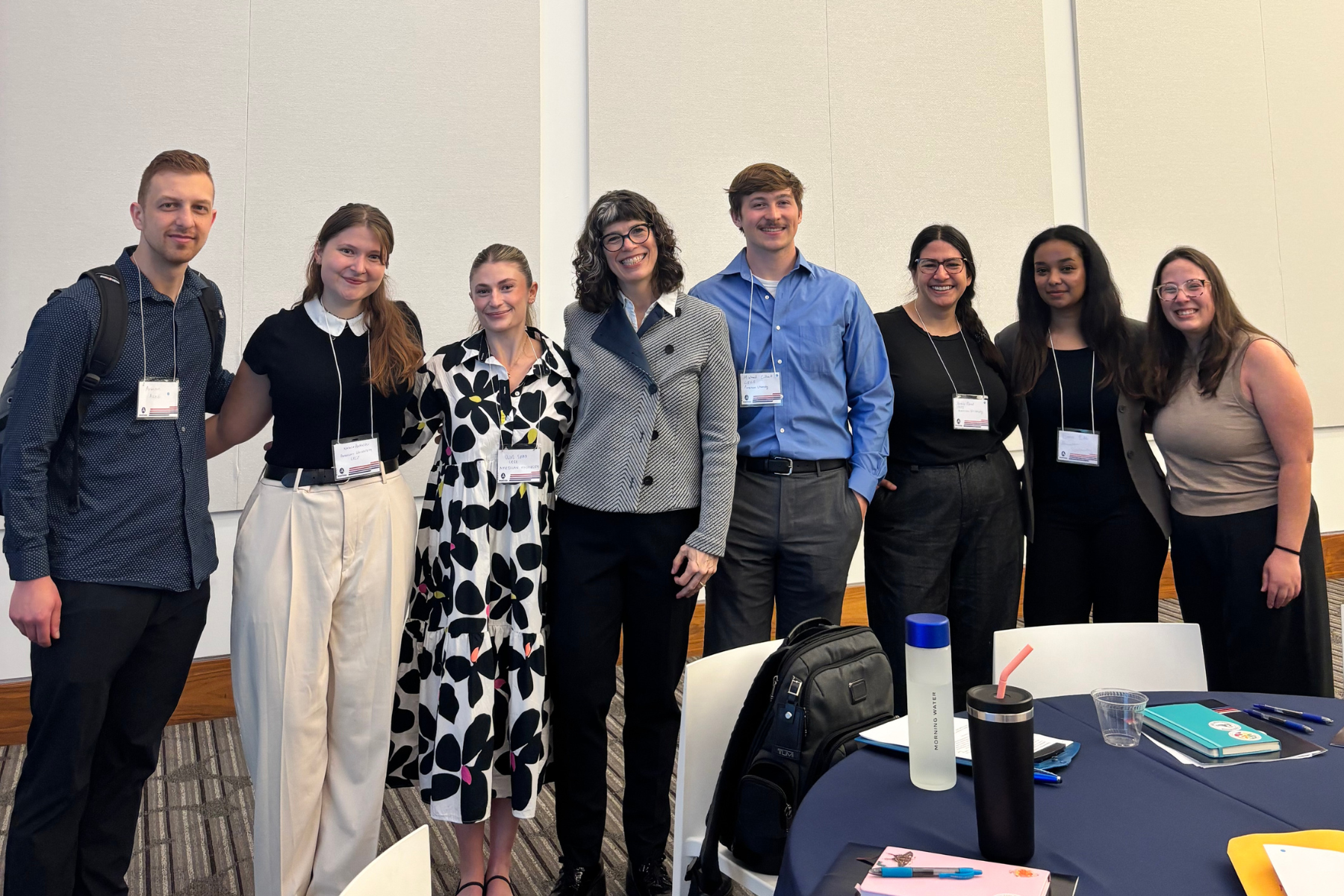
On May 27th and 28th, CECE hosted AmeriCorps and its partners from across the country for a two-day Learning Opportunity focused on what it means to lead effectively when communities face their greatest challenges. This event brought together various AmeriCorps programs, local emergency management offices, and non-profits for cross-sector knowledge exchange and resource sharing, with the goal of strengthening collaboration across agencies and organizations. Throughout the event, participants explored different understandings of disruption and crisis.
A highlight of the two days was the Whole Community Exercise, a cooperative simulation that put participants in the middle of an unfolding crisis scenario and challenged them to work together to help an affected community respond.
Sessions explored a range of themes, from adapting AmeriCorps Seniors projects during emergencies while maintaining regulatory accountability, to using participatory methods like photovoice to surface community voices in crisis preparedness and response. Participants also examined longitudinal research on service as a health intervention for members during emerging adulthood, and how statewide volunteer data can sharpen recruitment, retention, and engagement strategies. Throughout sessions, participants returned again and again to the role of relationships. The organizations and programs that respond most effectively in a crisis are those that have already built trust across volunteers, agencies, and communities, so that when the moment comes, communication flows and coordination happens smoothly.
Program leaders, state commission directors, and AmeriCorps alumni and leaders shared firsthand accounts of their experiences in crisis response. Conversations ranged from practical strategies for mobilizing volunteers quickly to how programs can build and sustain cross-sector networks that hold up under pressure. Across these conversations, a consistent message participants shared in different ways was that no single organization can handle a crisis alone.
After the two days, participants left with a clearer, more grounded sense of what crisis leadership looks like in practice: build relationships before they’re needed, stay flexible as conditions change, and be prepared to make decisions under uncertainty.